

BP1B: name_key = rhopalostylis-sapida-great-barrier-island upc = name_key = rhopalostylis-sapida-great-barrier-island QUERY = SELECT * FROM upc_36 WHERE name_key = :name_key LIMIT 1 Record found = TRUE
Rhopalostylis sapida ‘Great Barrier Island’
nikau palm
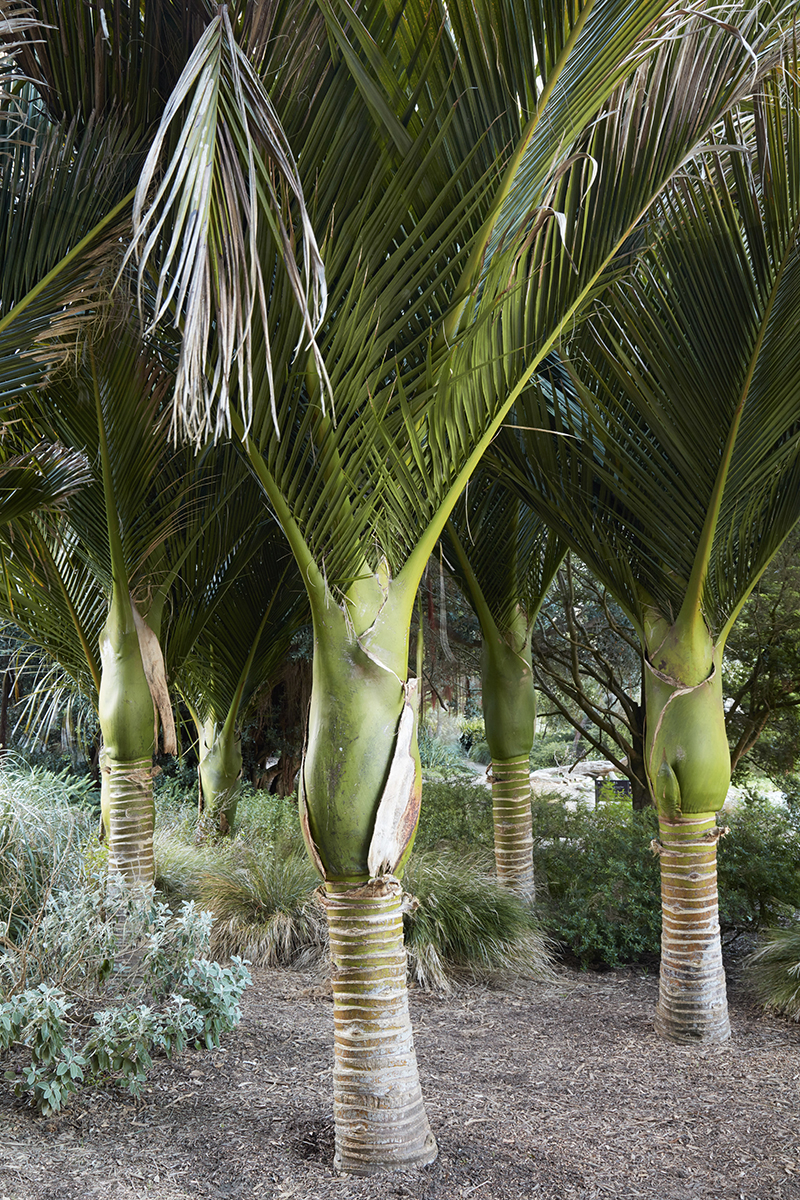
Stiff, upright feather fronds are held by bulbous apple green leaf sheaths. Green ringed trunk. Clean, exotic appearance.
height
20–30ft
width
6–10ft
tolerates
Coast, Cool Summers, Fog, Moist Soil, Wind
water needs
Moderate – High
water info
Being from New Zealand, this palm appreciates consistent water, but won’t tolerate soggy soil. Once it’s established, be sure to water it when the top inch or two of the soil is dry. Usually this will mean watering deeply every five to seven days during the dry season.
hardy to
25F
exposure
Full Shade – Full Sun
indoor outdoor
Outdoor
drainage
In Ground: Cactus Mix, In Pots: Cactus Mix, Tolerates Heavy Soil, Tolerates Sandy Soil
fertilizing
Palm Fertilizer
origin
Great Barrier Island
california native
No
sunset zones
15–17, 21–24
Sunset Zones Map
Outdoor Exposure Guide
Growing Notes
Thrives in cool marine influence areas of coastal California, even through the drier areas of Southern California.Palms are generally heavy feeders, so if you want them growing quickly and looking their best, they should be fertilized at least three times a year. Fertilizing at spring equinox, summer solstice and fall equinox will allow for a winter rest. Be sure to feed your palm with a fertilizer that contains micronutrients (especially including magnesium), especially if you see yellowing leaves or yellow spots on the leaves. Will not grow in interior California as this palm is intolerant of dry heat.Young plants appreciate shade and can be cooked quickly in full sun. Mature plants do well in full coastal sun.Adaptable to various soils, but prefers well drained soil.
Special Interest
Since this palm has almost no petioles (leaf stems) its crown resembles a shaving brush, thus the second common name for this tree - the shaving brush palm. This also means that the crown is both very full and also narrow, fitting into surprisingly tight spots.
Plumed amethyst flowers emerge below leaf sheaths, followed by red fruit.
It is reported that the Maori traditionally ate the young inner leaf shoots and also immature flower clusters. They also used Nikau leaves for thatch.
This palm is the most southerly growing palm on earth!