BP1B: name_key = euphorbia-pseudocactus upc = name_key = euphorbia-pseudocactus QUERY = SELECT * FROM upc_36 WHERE name_key = :name_key LIMIT 1 Record found = TRUE
Euphorbia pseudocactus
candelabra spurge
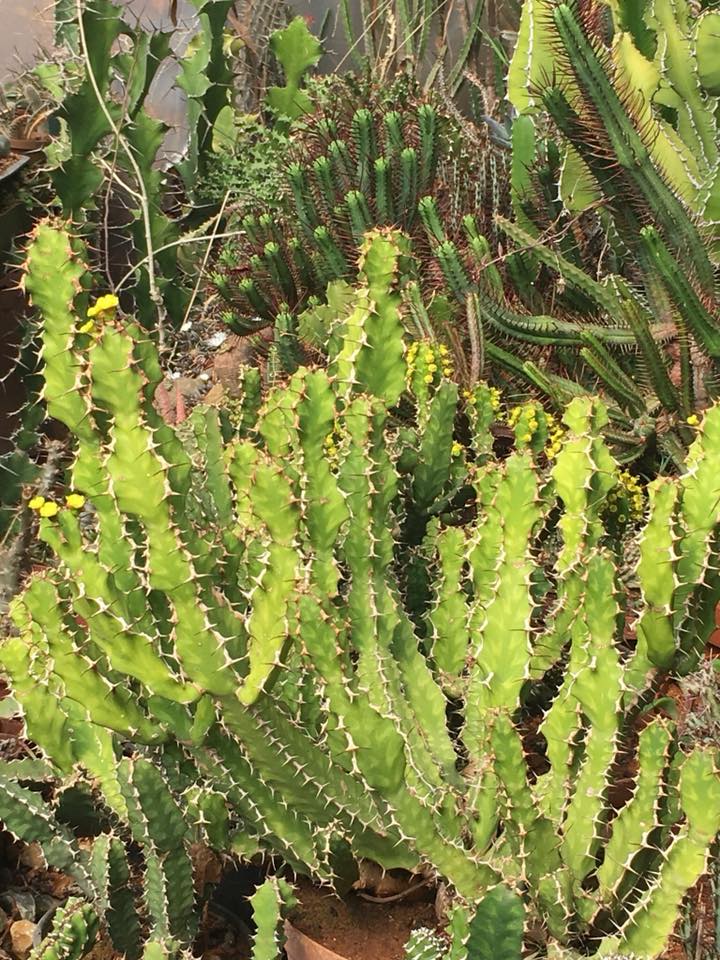
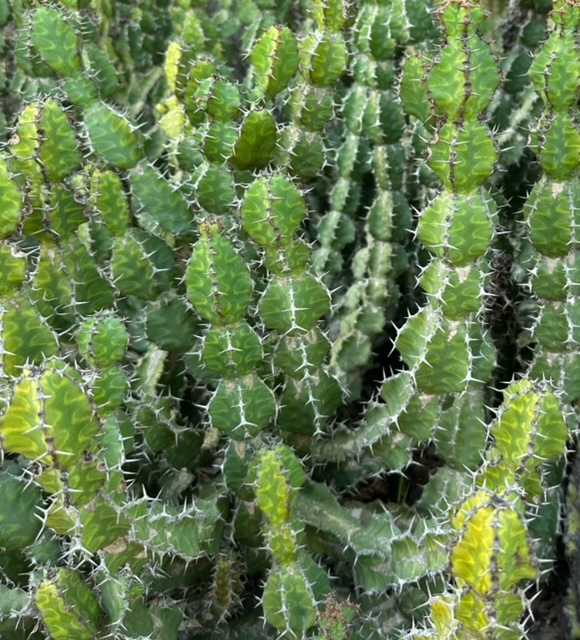
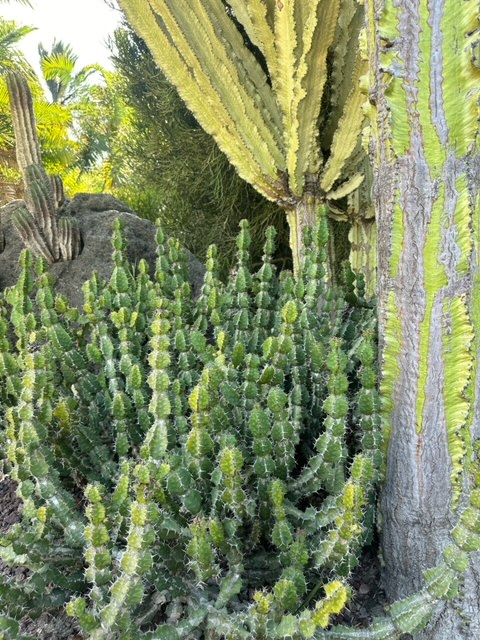
Creates shrubby wide colony of serrated columns, patterned yellow variegation. Pots. Gardens with good drainage. Mass bloom of small yellow flowers at branch tips.
These euphorbia are from the desert and as such like to go totally bone dry between waterings, making them very low-maintenance. To get good healthy growth your plant doesn’t want to sit around totally dried out during it’s growing season. Once it is dry water it.
This Euphorbia comes from an area with summer rainfall and is actively growing during that time, when it is forgiving of overwatering errors. During winter dormancy it should be kept extra dry and will be intolerant of overwatering.
Remember that if kept in a small pot your plant will want more frequent watering.
hardy to
27F
exposure
Part Shade – Full Sun
indoor outdoor
Outdoor
drainage
In Ground: Cactus Mix, In Pots: Cactus Mix, Tolerates Sandy Soil
fertilizing
All Purpose
origin
South Africa
california native
No
sunset zones
13, 16, 17, 19–24, H2
Sunset Zones Map
Outdoor Exposure Guide
Growing Notes
Euphorbia respond well to pruning. They will look scarred for a while, but then will push new growth wherever they are pruned, often giving you several new growth points. Take care when pruning, as euphorbias have toxic sap that can cause a skin rash or damage to the eyes (make sure to rinse repeatedly with water if sap gets on your skin or in your eyes).As columnar euphorbias grow they will transition from colorful and smooth new growth to dull, brown and rough older growth. This is called corking, and it is totally natural. Think of this like an oak tree where the new shoots are shiny and green, but then eventually you get a trunk covered in rough dull bark.Soft dark brown spots on Euphorbia are usually a sign of rot. Carve these spots out with a sterile knife immediately (carve all the way back to healthy-looking tissue). Rot usually results from overwatering, but it can also be caused by drastic under-watering. Occasionally this will start at the base of the plant, which means the roots have rotted. If you’d like to save the plant you’ll need to remove the top above the rotten base, let the top sit for two weeks in a shady spot, and then replant in very sharp-draining soil. Place the cutting in a warm spot to re-root, preferably not in harsh sun.
Special Interest
These plants are often confused with columnar cactus (indeed this one is named pseudocactus, meaning false cactus!) because, through convergent evolution, they have adapted into a similar form. However, euphorbias are not closely related to cactus. In fact they’re more closely related to the holiday poinsettia. Some notable differences are euphorbia’s latex sap, insignificant flowers, tiny little leaves when in growth, and thorns instead of spines to protect themselves.