BP1B: name_key = dypsis-ambositrae upc = name_key = dypsis-ambositrae QUERY = SELECT * FROM upc_36 WHERE name_key = :name_key LIMIT 1 Record found = TRUE
Dypsis ambositrae
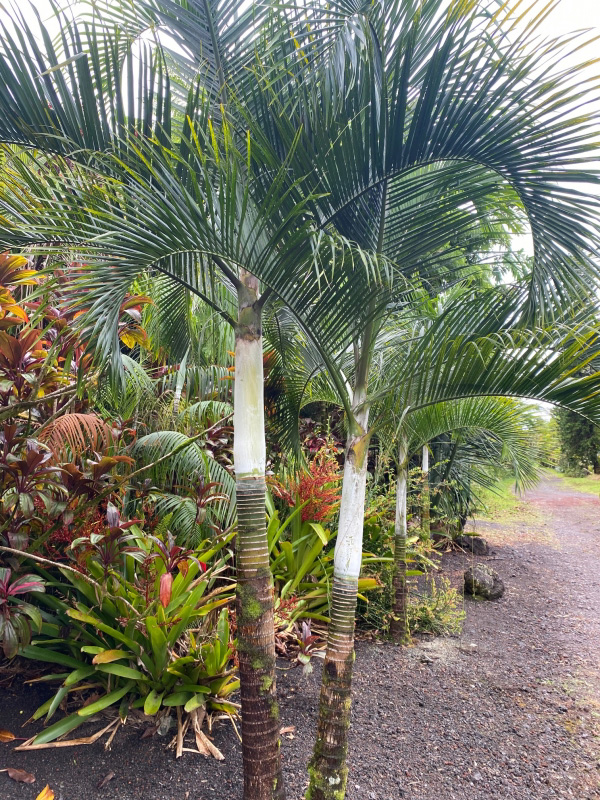
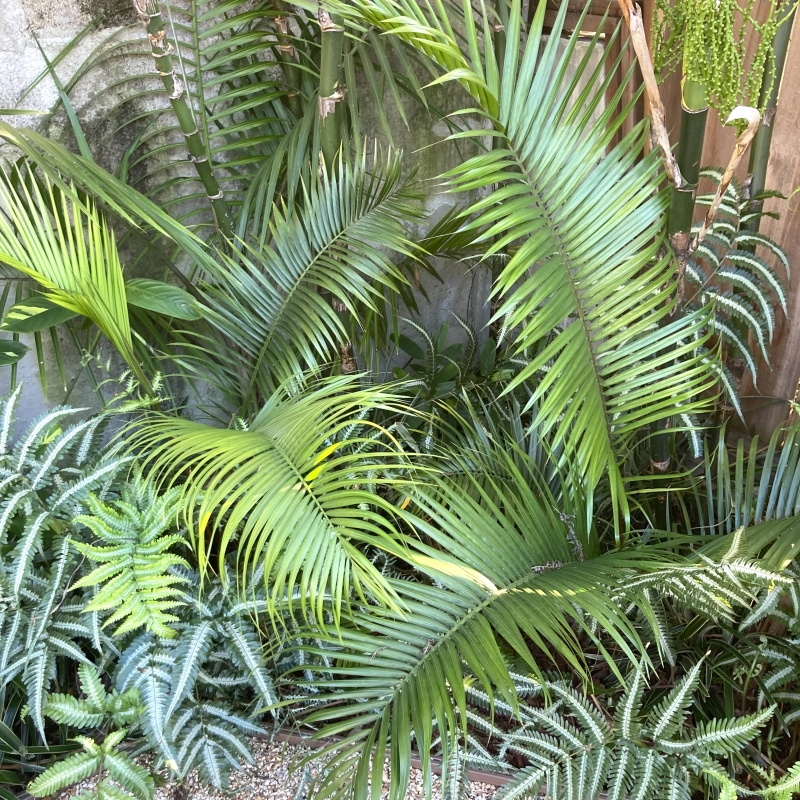
Five inch trunk often doubles, rarely triples. Pale, waxy, grey-green crown-shaft below gracefully recurved leaves.
height
15–25ft
width
8–9ft
tolerates
Heat
water needs
Moderate
water info
This palm should be watered deeply every week or two once it’s established. It doesn’t want to ever dry out completely.
hardy to
30F
exposure
Part Sun – Full Sun
indoor outdoor
Outdoor
drainage
In Ground: Cactus Mix, In Pots: Cactus Mix, Tolerates Sandy Soil
fertilizing
Palm Fertilizer
origin
Madagascar
california native
No
sunset zones
16, 17, 19–24
Sunset Zones Map
Outdoor Exposure Guide
Growing Notes
Palms are generally heavy feeders, so if you want them growing quickly and looking their best, they should be fertilized at least three times a year. Fertilizing at spring equinox, summer solstice and fall equinox will allow for a winter rest. Be sure to feed your palm with a fertilizer that contains micronutrients, especially if you see yellowing leaves or yellow spots on the leaves. Be sure your palm fertilizer contains micronutrients, particularly magnesium. Once it’s mature, this palm will naturally shed its leaves, leaving the trunk below the palm’s crown exposed. A great choice if you’re looking for a palm with a clean trunk but don’t want to deal with manually removing the leaves.With leaves growing in a single plane along most of the rachis, the feather palm has an elegant look to it.
Special Interest
The specific epithet comes from the town name Ambositra in Madagascar, nearby where this critically endangered palm grows. Less than ten individual palms remain in habitat.
This palm’s juicy lush look is an absolute must-have when creating a tropical garden in a temperate climate. Mix it with other broad-leafed flowering plants like cannas, hedychiums, philodendrons, or monsteras.